
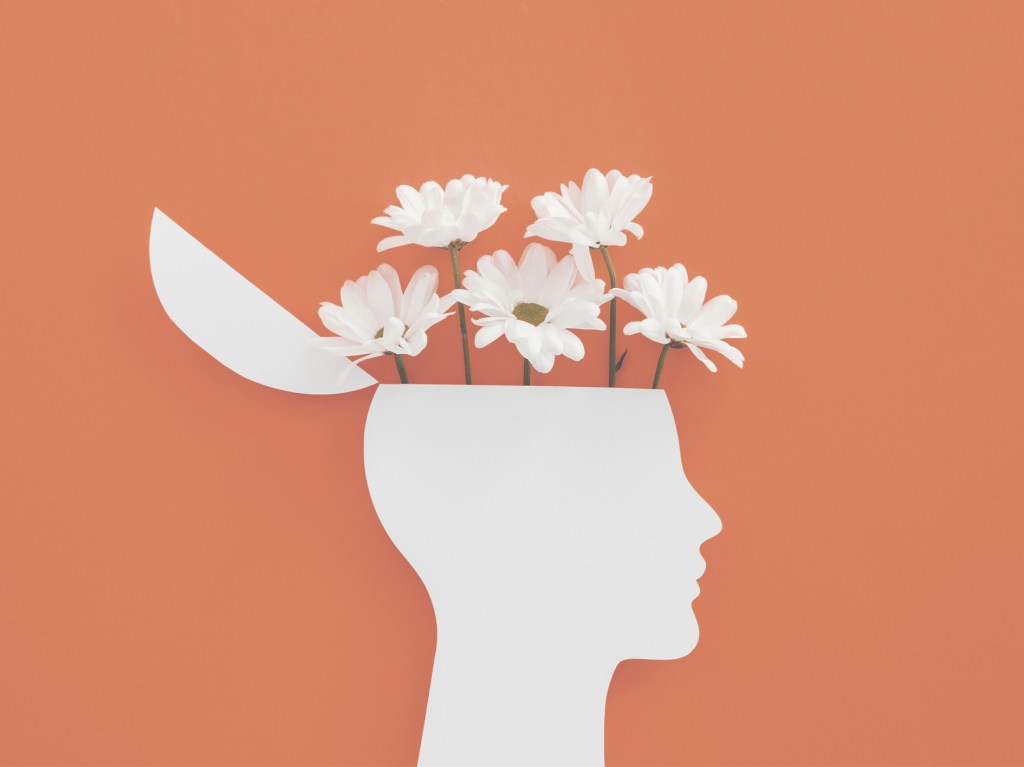
Mental health forms the bedrock of our emotional well-being and resilience. It encompasses our psychological, emotional, and social well-being, influencing how we think, feel, and act. Nurturing our mental health involves recognizing and managing our emotions, building healthy relationships, and developing coping mechanisms to navigate life’s challenges. By prioritizing self-care, seeking support when needed, and practicing mindfulness, we can cultivate a positive mental state, fostering resilience, happiness, and a sense of fulfillment.
Attaining individual quality of mental health involves understanding and addressing personal needs. It is crucial to prioritize self-care by incorporating practices that promote emotional well-being. This can include engaging in regular mindfulness exercises, such as meditation or deep breathing, which help cultivate self-awareness, reduce stress, and improve mental clarity. Additionally, maintaining a strong support system through meaningful relationships and open communication can contribute to an individual’s mental well-being. Seeking professional help, such as therapy or counseling, can provide valuable guidance and tools for managing challenges and enhancing mental health. Ultimately, achieving individual quality of mental health involves a holistic approach that incorporates self-reflection, self-care practices, and seeking appropriate support when needed.
Mental health is a vital component of our overall health and happiness. It encompasses our emotional, psychological, and social well-being. Taking care of our mental health is essential for managing stress, building resilience, and maintaining healthy relationships.
Unleash the Power of Reading: Boost Your Mental Health and Well-being
One powerful tool for nurturing our mental health is reading. Reading provides us with an escape from the stresses of daily life and an opportunity to explore new worlds, ideas, and perspectives. It stimulates our imagination, enhances our cognitive abilities, and broadens our understanding of the world around us.
Engaging in regular reading has been shown to reduce stress levels, improve focus and concentration, and enhance emotional intelligence. It can also be a form of self-care, allowing us to unwind and relax in the midst of our busy lives.
Moreover, reading can serve as a valuable tool for personal growth and self-reflection. It opens our minds to new ideas, challenges our beliefs, and encourages us to think critically. It can inspire us to develop new skills, cultivate empathy, and deepen our understanding of ourselves and others.
By dedicating time to reading and exploring the vast world of literature, we can nourish our minds, expand our horizons, and promote our mental well-being. It’s an investment in ourselves, allowing us to learn, grow, and flourish.
On our website, we provide a curated collection of resources, book recommendations, and insights into the benefits of reading for mental health. To explore and start your reading journey, we recommend checking out Kindle, an e-reader that offers a wide range of books at your fingertips. You can find a variety of genres and titles that cater to your interests and preferences, for you, we found a free 30-day trial membership. For long car journeys we found a special offer: Audible 30 days free membership
Join us as we embark on this journey of mental well-being and the transformative power of reading. Let’s unlock the potential of our minds, nourish our souls, and prioritize our mental health for a brighter and more resilient future.
Discover the Therapeutic Magic of Writing: Handwriting vs. Digital
We believe in the incredible therapeutic power of writing. Whether you prefer the tactile experience of putting pen to paper or the convenience of typing on a device, both handwriting and digital writing offer unique benefits for your mental well-being.
Handwriting, with its rhythmic strokes and connection to the physical act of writing, can be a deeply therapeutic practice. It allows you to slow down, focus, and engage your senses in a mindful way. The deliberate movements of forming letters and words by hand can help reduce stress, improve concentration, and enhance creativity. It connects us to our thoughts and emotions, allowing for deeper self-reflection and self-expression.
On the other hand, digital writing offers its own set of advantages in our fast-paced, technology-driven world. It provides convenience, accessibility, and the ability to easily organize and store your writings. Typing on a device can be faster and more efficient, enabling you to capture your thoughts and ideas in real-time. Digital writing tools, such as tablets or smart pens, offer the benefits of technology while still providing a satisfying writing experience.
To fully embrace the therapeutic benefits of writing, we recommend finding a balance between handwriting and digital writing. Use beautiful notebooks and pens for moments when you want to slow down, connect with your thoughts, and indulge in the sensory experience of handwriting. And for times when convenience is key, embrace the digital realm with writing tablets or smart pens that offer the flexibility of writing on a device.
Unlock the therapeutic power of writing today, finding solace in the beauty of handwriting and the convenience of digital writing. Nurture your mind, express your thoughts, and create a positive impact on your mental health – all through the simple act of writing.
Journey to Joy: How Travel Elevates Mental Wellness
Travel isn’t just a break from the daily grind; it’s a journey towards mental rejuvenation. Exploring new places can profoundly impact our mental health, offering a fresh perspective and a chance to reset. When we step out of our comfort zones, we engage with different cultures, landscapes, and experiences that stimulate our senses and challenge our preconceptions. This engagement encourages adaptability, increases creativity, and often leads to a deeper sense of self-awareness.
The act of planning a trip can itself be a source of joy and anticipation, providing a mental boost by giving us something to look forward to. The experiences we gain while traveling, from witnessing breathtaking landscapes to forming new friendships, contribute to a sense of accomplishment and satisfaction. These moments become cherished memories, which we can recall to uplift our spirits long after the journey has ended.
Moreover, travel can be a therapeutic escape from the stresses of everyday life. It provides a much-needed pause, allowing for reflection and the opportunity to decompress, which can lead to decreased levels of anxiety and depression. By stepping away from our routine, we give ourselves the space to breathe, relax, and return with a refreshed outlook on life.
In a world where mental health is just as important as physical well-being, travel emerges as a powerful tool for maintaining a balanced and happy mind. It’s not just about the destinations we reach, but also about the journey within ourselves that can lead to greater mental health and overall well-being.
Harmonies of the Mind: The Therapeutic Power of Music
Listening to music is a serene odyssey for the mind, offering a sanctuary where stress and anxiety can be soothed away by rhythms and melodies. It’s a form of emotional expression that transcends words, speaking directly to the soul. The benefits of music on mental health are as profound as they are diverse. It can act as a catalyst for improved mood, a source of comfort during difficult times, and a stimulant for cognitive function.
The act of listening to music releases dopamine, the ‘feel-good’ neurotransmitter, which can create feelings of pleasure and contentment. This neurochemical response can combat feelings of depression and elevate mood. Moreover, certain music can resonate with our emotions, helping to process feelings, heal emotional wounds, and diminish levels of stress.
Music is also a bridge to improved concentration and focus, often used as a tool to enhance learning and work efficiency. The structure and order within music can help our minds to organize thoughts and ideas more effectively, leading to increased productivity.
In moments of solitude, music can be a companion, reducing the sense of loneliness and isolation. In social settings, it can connect individuals, creating shared experiences and understanding without the need for conversation.
Integrating music into our daily lives can promote mental well-being, offering both a refuge and a soundtrack for our journey through life. As we navigate the complexities of our emotional landscapes, music can guide us, uplift us, and ultimately, help us find harmony within ourselves.
Unleash the healing power of music — experience audio bliss with this premium Sony Headphones.
The Science of Tears: Delving Into the Intricacies of Crying, Brain Responses, and Hormonal Effects
Crying is a multifaceted emotional response that involves various intricate processes within the brain and the body. Understanding the science behind tears can shed light on why we cry, how the brain reacts during crying episodes, and the role of hormones in regulating our emotional states.
When an individual experiences intense emotions such as sadness, frustration, or joy, the brain initiates a cascade of events that culminate in the act of crying. The amygdala, an area of the brain responsible for processing emotions, plays a pivotal role in triggering the release of tears. Signals from the amygdala stimulate the hypothalamus, which in turn activates the autonomic nervous system to produce tears from the lacrimal glands.
During crying episodes, the brain releases a cocktail of hormones that contribute to the emotional and physiological responses associated with tears. One key hormone involved in the crying process is oxytocin, often referred to as the “love hormone.” Oxytocin is released during moments of emotional bonding, such as crying, and promotes feelings of empathy, connection, and trust. This hormone helps foster social bonds and enhances emotional resilience.
Additionally, endorphins, known as the body’s natural painkillers, are also released during crying. These neurotransmitters act as mood regulators and can induce feelings of euphoria and relief. Endorphins help alleviate emotional distress and physical discomfort, providing a sense of comfort and well-being after a crying episode.
Moreover, cortisol, a stress hormone, is present in tears shed during emotional crying. Cortisol levels in tears are believed to decrease after crying, indicating a potential release of stress and tension from the body. By shedding tears containing cortisol and other stress-related toxins, individuals may experience a sense of emotional catharsis and relief.
After crying, the brain enters a state of calmness and emotional regulation. The release of hormones like oxytocin and endorphins contributes to a feeling of emotional well-being and relaxation. This post-crying phase may facilitate emotional processing, introspection, and a sense of closure regarding the triggering event or emotion.
In conclusion, the act of crying is a sophisticated interplay of brain responses, hormonal releases, and emotional expressions. By unraveling the complexities of tears and their effects on the brain, we gain a deeper appreciation for the role of crying in emotional regulation, social bonding, and overall well-being.
Addressing Pain and Mental Health: A Holistic Approach to Well-Being
Pain and mental health are often interconnected, as chronic pain can contribute to mental health issues such as anxiety and depression, and vice versa. When managing pain with mental health considerations, it’s important to take a holistic approach that addresses both physical and emotional aspects.
In addition to traditional pain management techniques like medication and physical therapy, combining strategies such as cognitive-behavioral therapy (CBT), mindfulness practices, relaxation techniques, and exercise can be beneficial for both pain relief and mental well-being.
Furthermore, integrating treatments like yoga, acupuncture, and massage therapy can also help address both physical pain and mental health concerns. It’s essential to work closely with healthcare providers, including pain specialists and mental health professionals, to develop a comprehensive treatment plan that considers all aspects of your well-being.
CBD, short for cannabidiol, is a compound found in the cannabis plant known for its potential pain-relieving properties. Studies suggest that CBD may help reduce pain and inflammation by interacting with the endocannabinoid system in the body. Many individuals use CBD products such as oils, creams, or gummies to manage various types of pain, including chronic pain, arthritis, and migraines. It’s important to note that more research is needed to fully understand the effects of CBD on pain relief, and it’s always recommended to consult a healthcare provider before incorporating CBD into your pain management routine.
 The Artful Journey: Awakening Aesthetic Consciousness from within